Avoiding Common Pitfalls: Tips for a Successful Trailer Lease Agreement


Understanding the Basics of Trailer Lease Agreements
Leasing a trailer can be an efficient way to manage your transportation needs without the hefty investment of purchasing one. However, to ensure a successful lease, it's crucial to understand the key components of the agreement. A trailer lease agreement typically outlines the terms and conditions between the lessor and lessee, including the lease duration, payment terms, and responsibilities of both parties.
Before signing any agreement, it's essential to thoroughly read and comprehend all the clauses. This will help you avoid any misunderstandings or disputes down the line. Remember, knowledge is power, and being informed is your first step toward a successful lease.
Identifying Common Pitfalls
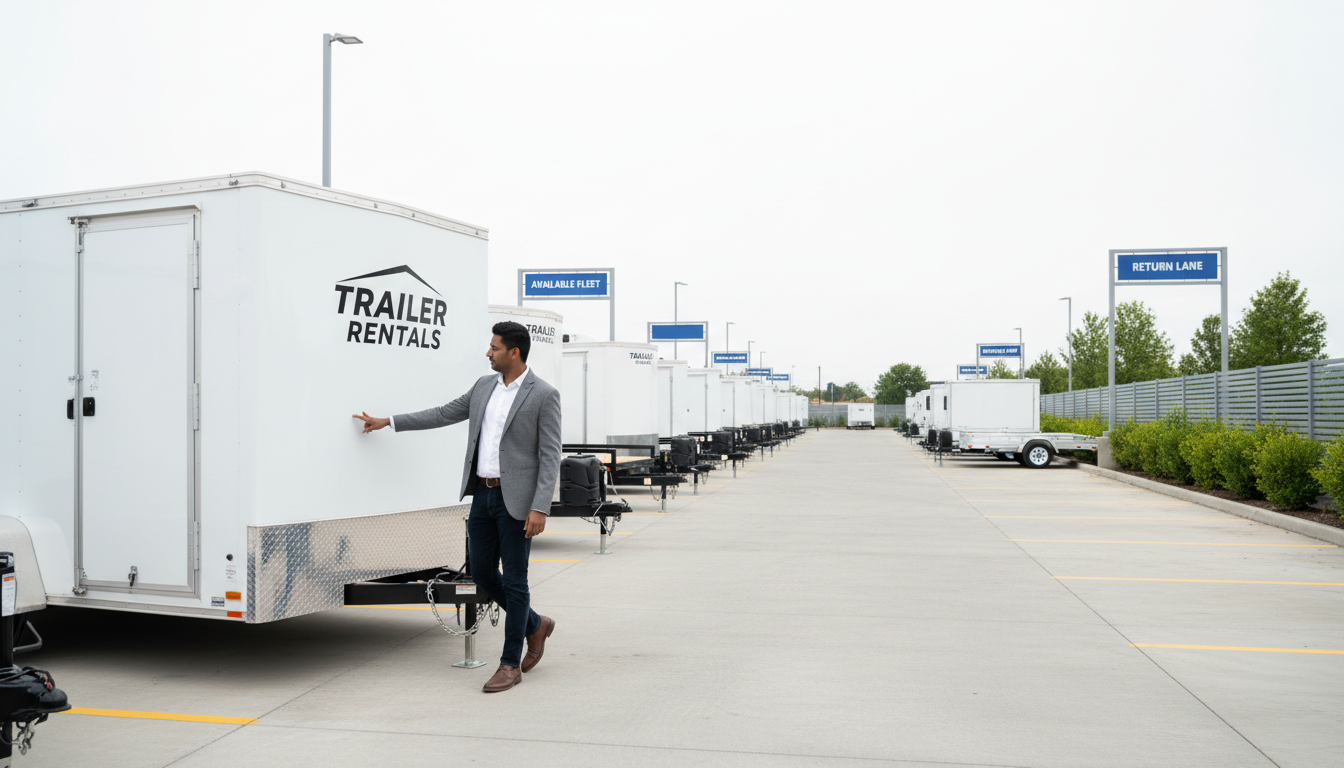
Several common pitfalls can derail a trailer lease agreement. One major issue is failing to inspect the trailer before finalizing the lease. It's vital to conduct a thorough inspection to ensure the trailer is in good condition and meets your needs. Documenting any existing damages can also protect you from future liability.
Another common mistake is overlooking hidden fees. These can include maintenance charges, mileage overages, or penalties for early termination. Ensure these potential costs are clearly outlined and understood before committing to the agreement.
Negotiating Terms and Conditions
Don't be afraid to negotiate the terms of your trailer lease agreement. Many aspects, such as lease duration, monthly payments, and maintenance responsibilities, can be adjusted to better suit your needs. Open communication with the lessor can lead to a more favorable agreement.

Pay close attention to the fine print. Clauses related to liability, insurance, and indemnification are critical and should be clearly defined. If any terms seem ambiguous, seek clarification to avoid future complications.
Ensuring Proper Documentation
Proper documentation is key to a successful trailer lease. Ensure that all agreements, amendments, and communications are documented in writing. This not only provides a clear reference for both parties but also serves as a safeguard in case of disputes.
Maintain copies of all documents, including the lease agreement, inspection reports, and payment receipts. An organized approach will help you stay on top of your responsibilities and obligations.

Regular Maintenance and Compliance
Once the lease is active, regular maintenance of the trailer is crucial. Adhering to a maintenance schedule can prevent unexpected breakdowns and additional costs. Ensure that all maintenance activities are recorded and accessible for future reference.
Compliance with local and federal transportation regulations is also essential. Staying informed about legal requirements can prevent costly fines and ensure the smooth operation of your leased trailer.
Conclusion
A successful trailer lease agreement is the result of careful planning, thorough understanding, and proactive management. By avoiding common pitfalls and focusing on clear communication and documentation, you can enjoy the benefits of leasing without unnecessary stress. Remember, a well-executed lease agreement not only meets your current needs but also lays the groundwork for future business success.