Benefits of Leasing vs Buying a Trailer: Making the Right Choice for Your Business


When it comes to expanding your business operations, transportation plays a crucial role. Whether you're in logistics, construction, or any other industry requiring heavy-duty transportation, trailers are essential assets. One of the key decisions you'll face is whether to lease or buy a trailer. Each option has its advantages, and understanding them can help you make the right choice for your business.
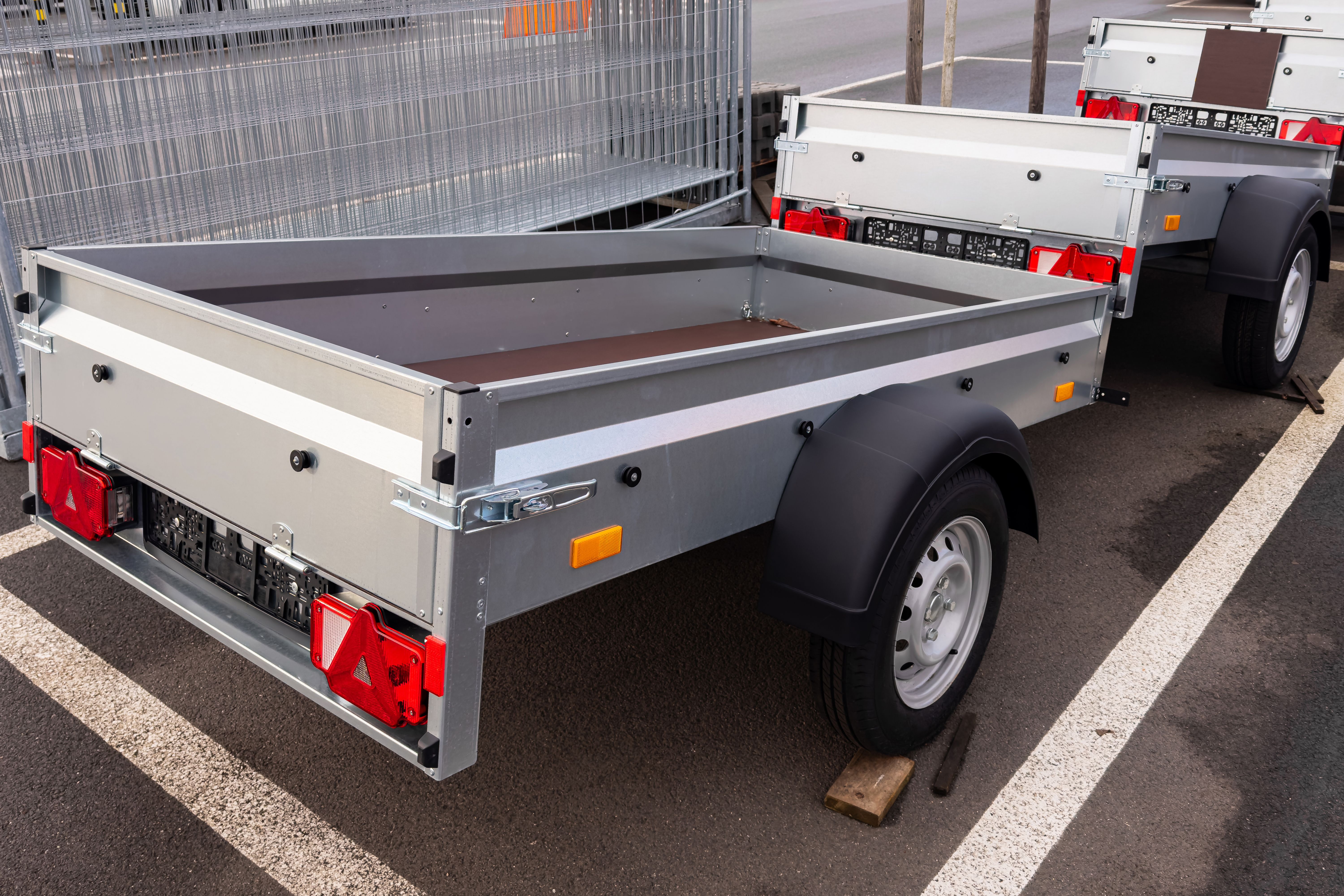
Cost Considerations
Leasing a trailer often requires a lower initial investment compared to buying. This can be advantageous for businesses looking to conserve capital or manage cash flow more effectively. Monthly lease payments are usually predictable and can be easier to budget for.
On the other hand, buying a trailer involves a higher upfront cost, but it may prove more cost-effective in the long run, especially if you plan to use the trailer for many years. Ownership also means you avoid ongoing lease payments and can benefit from potential tax advantages such as depreciation.

Flexibility and Upgrades
Leasing provides significant flexibility, allowing you to upgrade to newer models as technology advances or your needs change. This is particularly beneficial in industries where equipment standards frequently evolve. At the end of a lease term, you can simply return the trailer and lease a newer model.
Buying a trailer means you're committed to the equipment for a longer period. While this can be a positive if the trailer meets your long-term needs, it may also mean you're stuck with outdated technology unless you invest in new purchases.
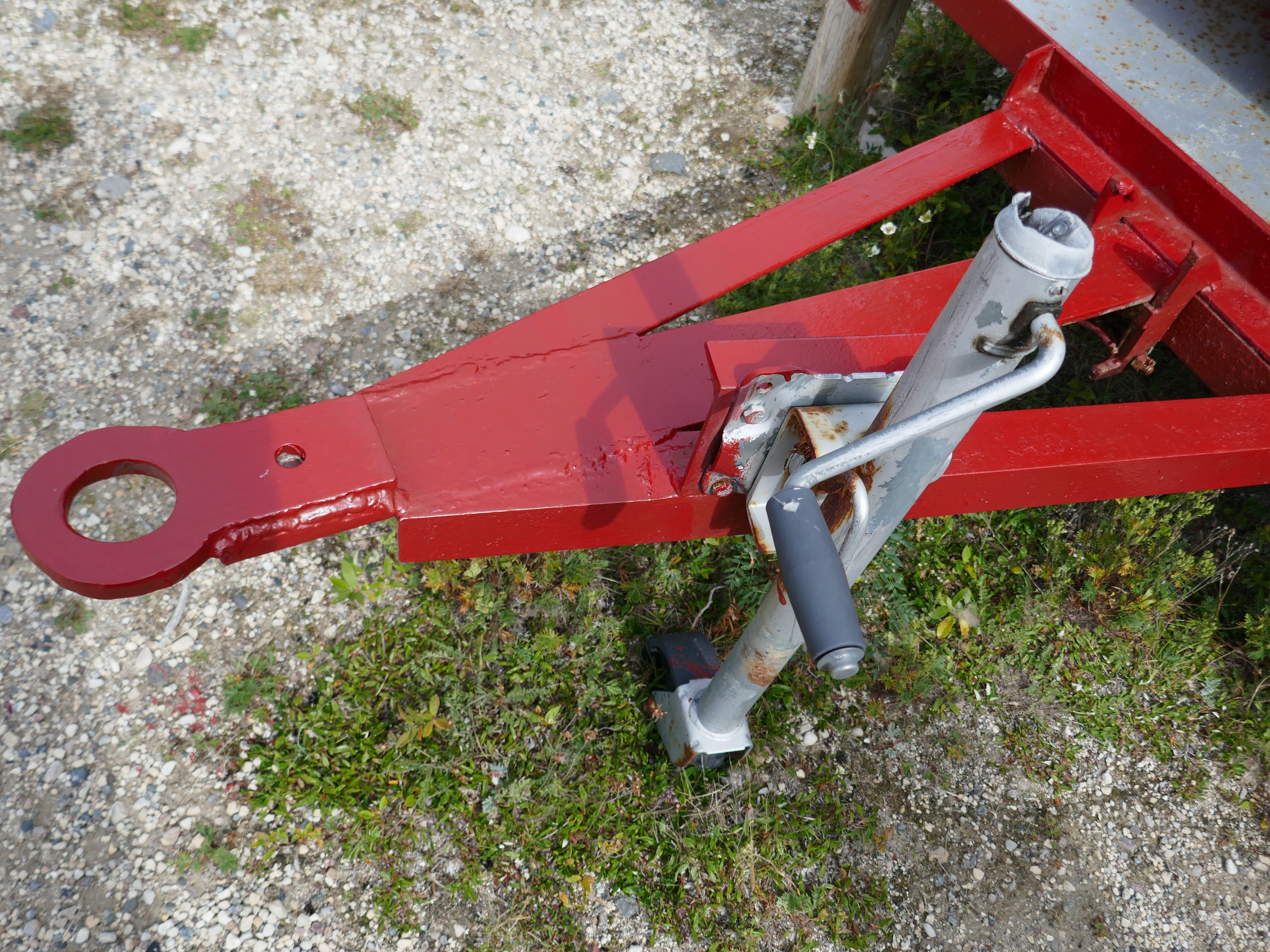
Maintenance and Repairs
One advantage of leasing is that maintenance and repair costs are often covered by the leasing company, reducing unexpected expenses. This can save your business time and money, allowing you to focus on core operations.
When you own a trailer, you are responsible for all maintenance and repair costs. While this gives you more control over the upkeep, it also means bearing the burden of unexpected repair expenses.
Asset Management
Leasing a trailer does not add a depreciating asset to your balance sheet, which can be beneficial for businesses seeking to improve financial ratios. It also reduces the need for asset management and disposal at the end of the trailer's lifecycle.
Conversely, owning a trailer adds an asset to your business, which may increase your company's value. You also have the option to sell the trailer when it's no longer needed, potentially recouping a portion of your investment.

Making the Right Choice
Ultimately, the decision to lease or buy a trailer depends on your business's specific needs, financial situation, and long-term goals. Consider factors such as your available capital, how frequently you need to update equipment, and whether you prefer predictable expenses or potential long-term savings.
By weighing the benefits of each option, you can make an informed decision that aligns with your business strategy and supports your operational efficiency.