Choosing Between Renting and Leasing Trailers: What’s Best for You?


Understanding Your Needs
When it comes to acquiring a trailer for your business, the decision to rent or lease can significantly impact your operations. Both options offer unique advantages, and understanding your specific needs is the first step in making the right choice. Consider the frequency of use, the duration, and the budget you have available.
Advantages of Renting
Renting a trailer is often the best option for short-term needs. If your business experiences seasonal fluctuations or requires additional capacity for a limited period, renting provides flexibility without a long-term commitment. You can adjust the size and type of the trailer as your requirements change.
Another benefit of renting is the reduced responsibility for maintenance. Most rental agreements include upkeep, meaning fewer worries about unexpected repair costs. This can be particularly advantageous if you lack the resources or expertise to manage regular maintenance.
Benefits of Leasing
Leasing a trailer is ideal for businesses with long-term, consistent needs. Lease agreements typically offer lower monthly payments compared to rental costs, making it a cost-effective solution over time. Additionally, leasing provides stability and predictability in budgeting.
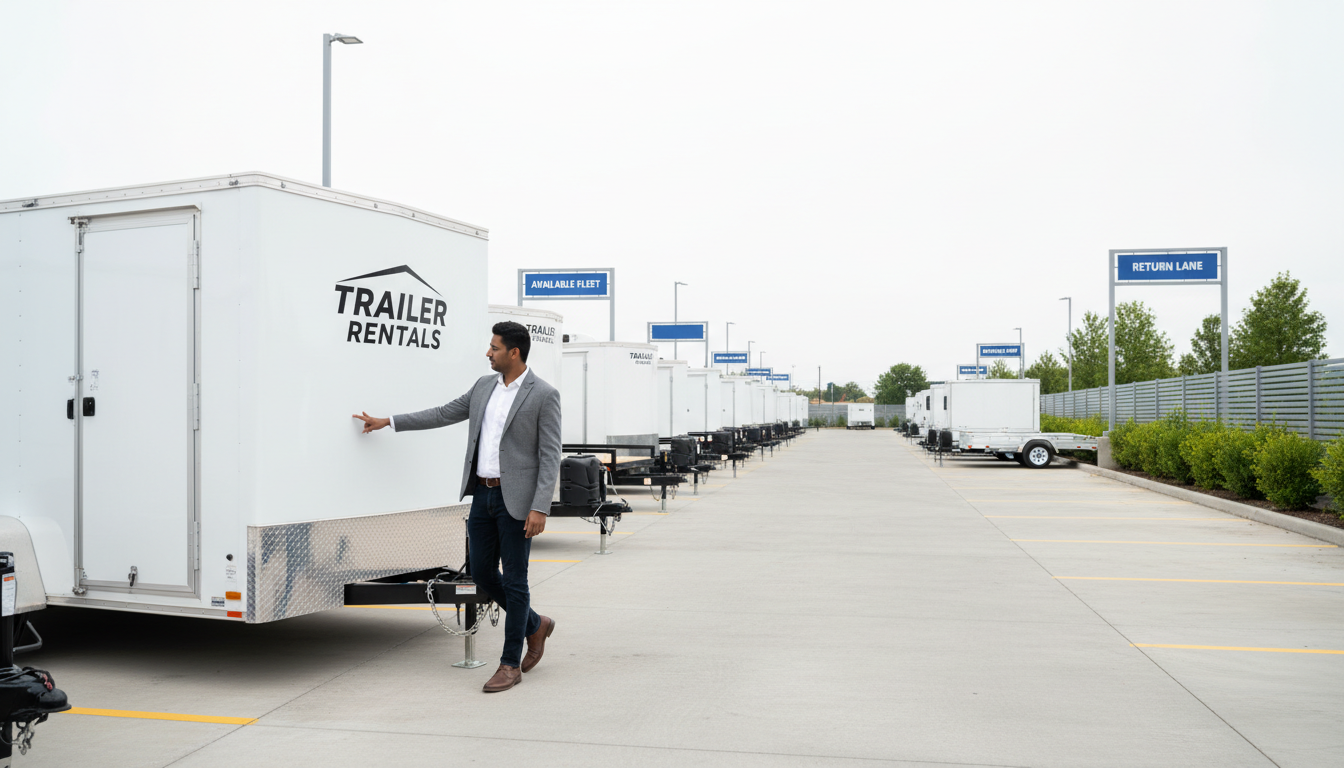
Leasing also allows for customization. Many lease agreements permit modifications to suit specific needs, such as adding branding or specialized equipment. This can enhance your business's professionalism and operational efficiency.
Financial Considerations
The financial implications of renting versus leasing are critical to consider. Renting might seem more expensive monthly, but it saves money on maintenance and commitment. Leasing, on the other hand, might require a longer commitment but offers lower monthly costs.
Businesses should evaluate their financial situation, including cash flow and tax implications. Sometimes, leasing might offer tax benefits that renting does not, which could influence your decision.

Flexibility and Control
Consider how much flexibility and control you need. Renting offers the greatest flexibility, allowing you to scale up or downsize quickly. Leasing offers more control over the asset, as you can modify and use it as required for your business needs.
Control also extends to the condition and reliability of the trailer. Leasing might offer newer models with the latest features, which could be crucial for specialized operations.
Making the Right Choice
Ultimately, the decision between renting and leasing a trailer depends on your business's specific needs and strategic goals. Assess the frequency and duration of use, financial implications, and desired level of control to determine the best fit.
Both options have their merits, and the right choice will support your business's growth and operational efficiency.