Comparing Trailer Leasing vs. Buying: What’s Best for Your Business?


Understanding the Basics
When it comes to expanding your business fleet, deciding between leasing and buying a trailer can be a pivotal decision. Both options have their advantages and disadvantages, and the best choice depends on your company's specific needs and financial situation. This guide will help you weigh the pros and cons of each option.
Financial Considerations
Cost of Ownership
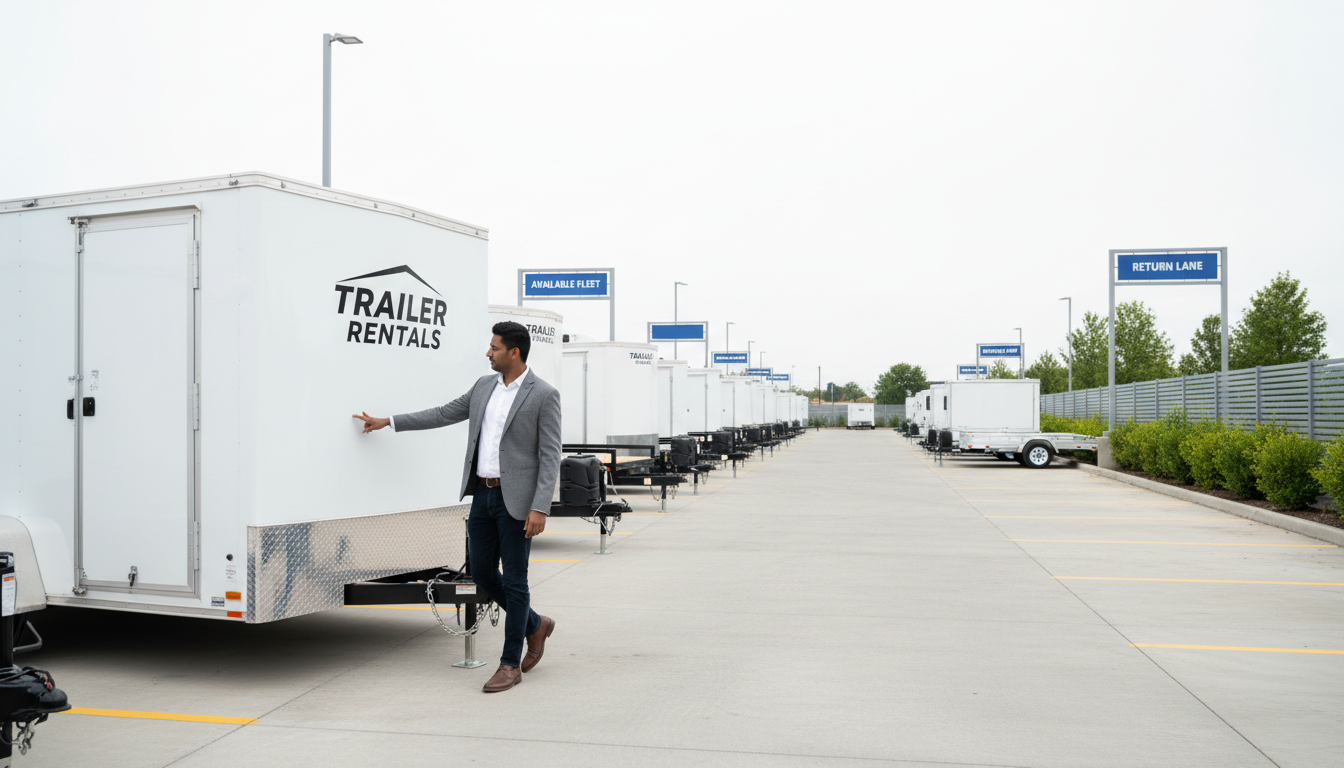
Buying a trailer involves a significant upfront investment. While owning offers long-term savings and potential tax benefits, it also ties up capital that could be used elsewhere in your business. On the other hand, leasing requires lower initial costs, which can be advantageous for businesses with limited cash flow.
Maintenance and Repairs
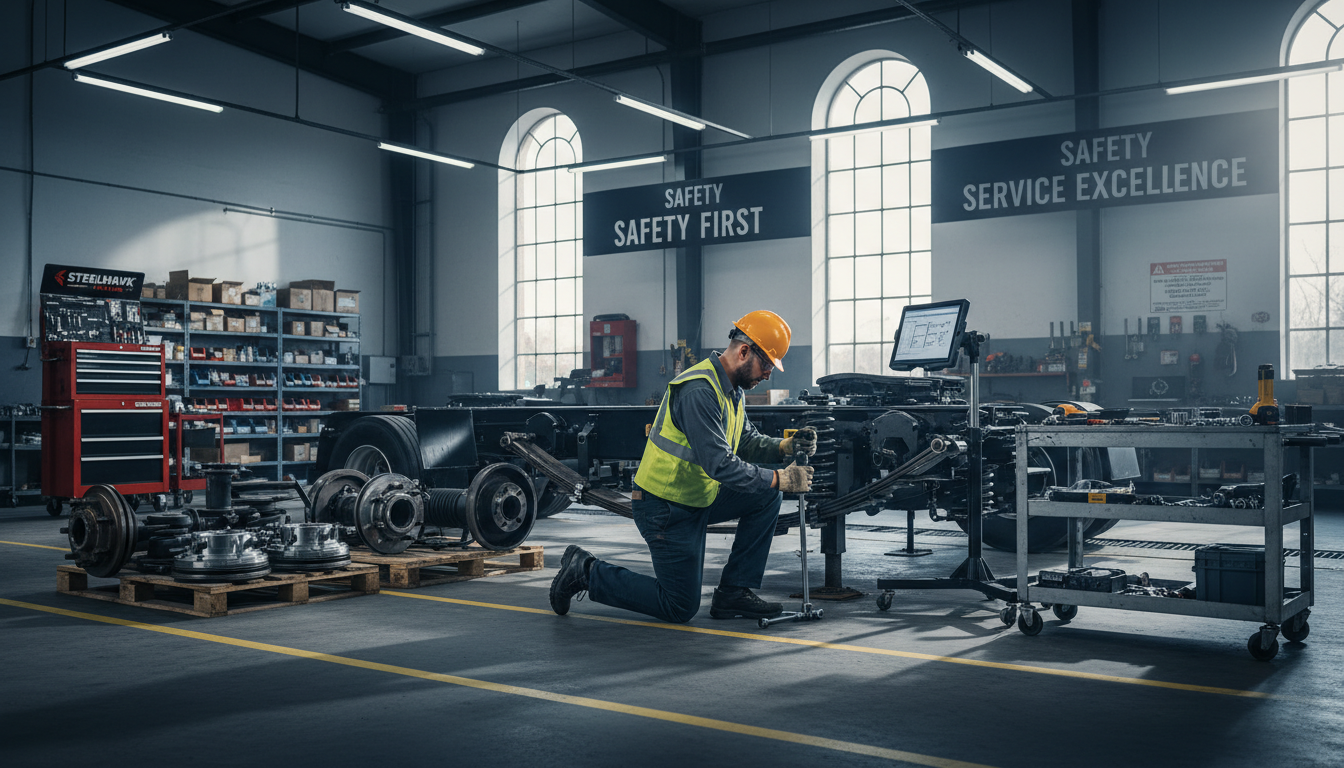
Ownership means you're responsible for all maintenance and repair costs. While this allows you to choose your service providers, it can also lead to unexpected expenses. Leasing often includes maintenance services, reducing the risk of unforeseen costs and ensuring predictable budgeting.
Flexibility and Usage
Adaptability
Leasing provides flexibility, allowing you to upgrade or switch trailers as your business needs change. This is particularly useful for companies experiencing rapid growth or fluctuating demand. Conversely, owning a trailer offers less flexibility, as selling or upgrading involves more complexity.
Utilization Rate
Consider how often you'll use the trailer. If the trailer will be in constant use, buying might be more economical in the long run. However, for seasonal or infrequent use, leasing can be more cost-effective, avoiding the costs associated with idle equipment.
Tax Implications
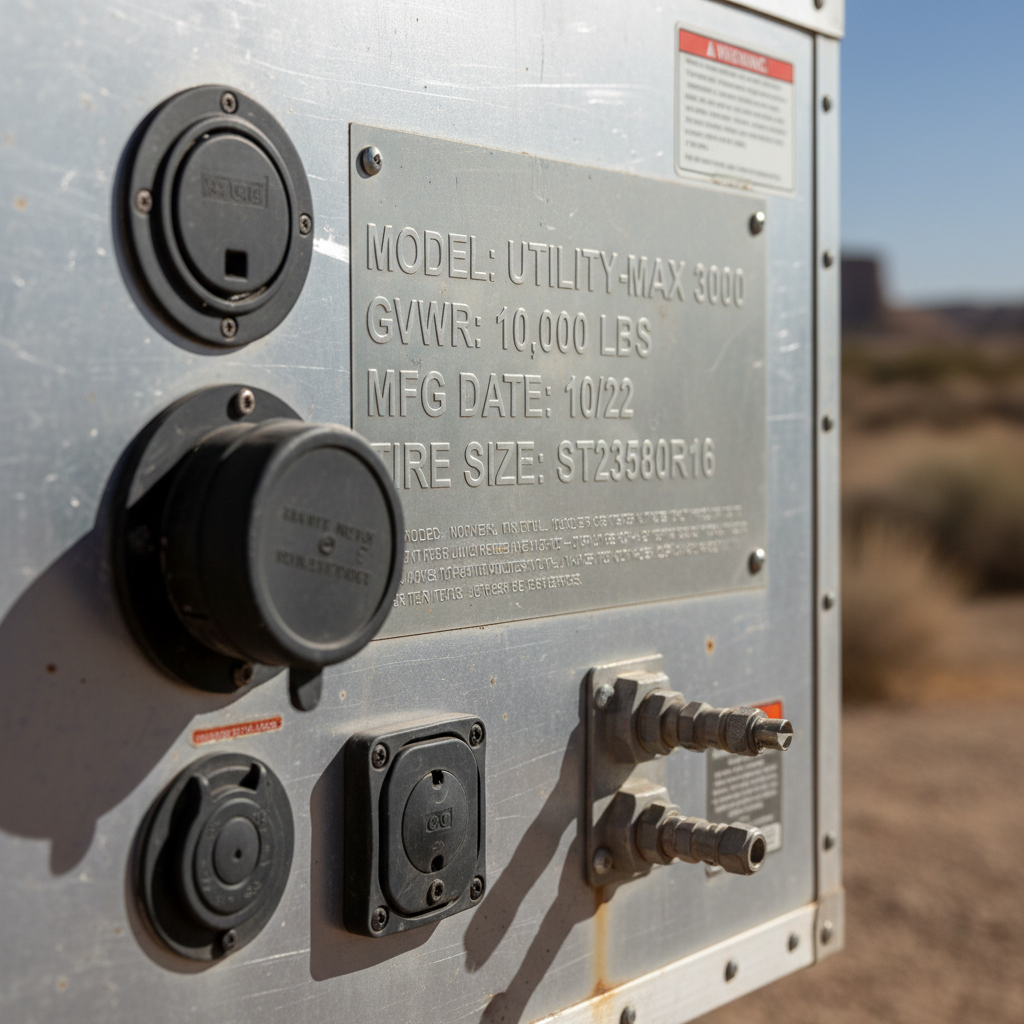
Tax benefits vary between leasing and buying. Ownership might allow you to depreciate the asset, providing a tax shield over time. Leasing payments, however, are often fully deductible as a business expense, which can be beneficial in reducing taxable income.
Decision-Making Factors
When choosing between leasing and buying, consider your business's financial health, growth projections, and operational needs. Creating a detailed cost-benefit analysis can aid in making an informed decision that aligns with your strategic goals.
Final Thoughts
Ultimately, the decision between leasing and buying a trailer should be based on a comprehensive evaluation of your business's requirements. Both options offer unique benefits that can contribute to your company's success. By carefully considering each factor, you can make a choice that maximizes your operational efficiency and financial performance.