Comparing Trailer Leasing vs. Buying: What’s Right for You?


Understanding the Basics
When it comes to acquiring a trailer for your business or personal use, the decision often boils down to leasing versus buying. Both options have their own set of advantages and challenges. Choosing the right path depends on various factors such as budget, usage frequency, and long-term goals.
Buying a trailer means making a substantial investment upfront. This can be beneficial if you plan to use the trailer frequently over many years. On the other hand, leasing often requires lower initial costs, making it an attractive option for those who need flexibility.
The Financial Perspective
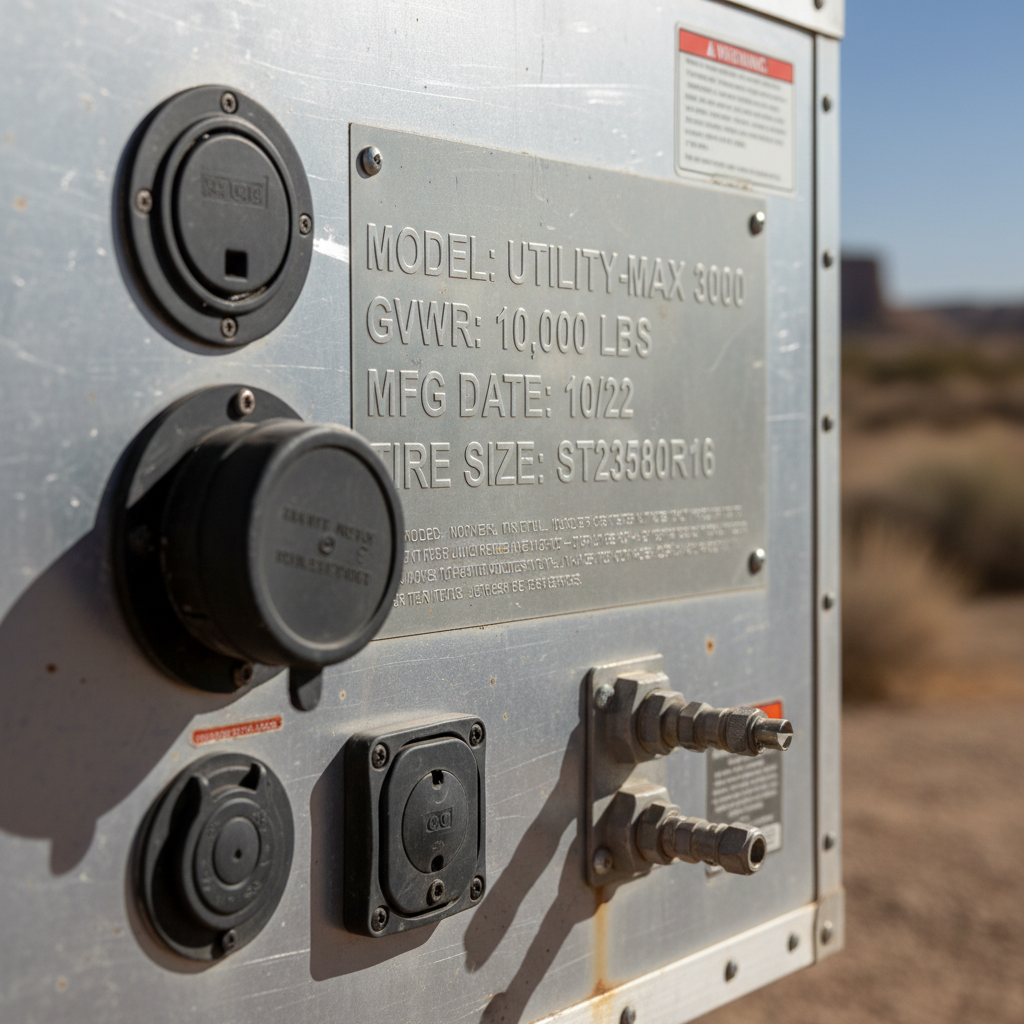
From a financial standpoint, buying a trailer is similar to purchasing a car. You'll pay the full price or finance through a loan, which means monthly payments with interest. However, once it's paid off, the trailer is yours, and you can sell it if needed.
Leasing, meanwhile, typically involves lower monthly payments. This can help manage cash flow more effectively, especially for businesses. However, at the end of the lease term, you won't own the trailer, and you may face mileage limits or other restrictions.

Maintenance and Repairs
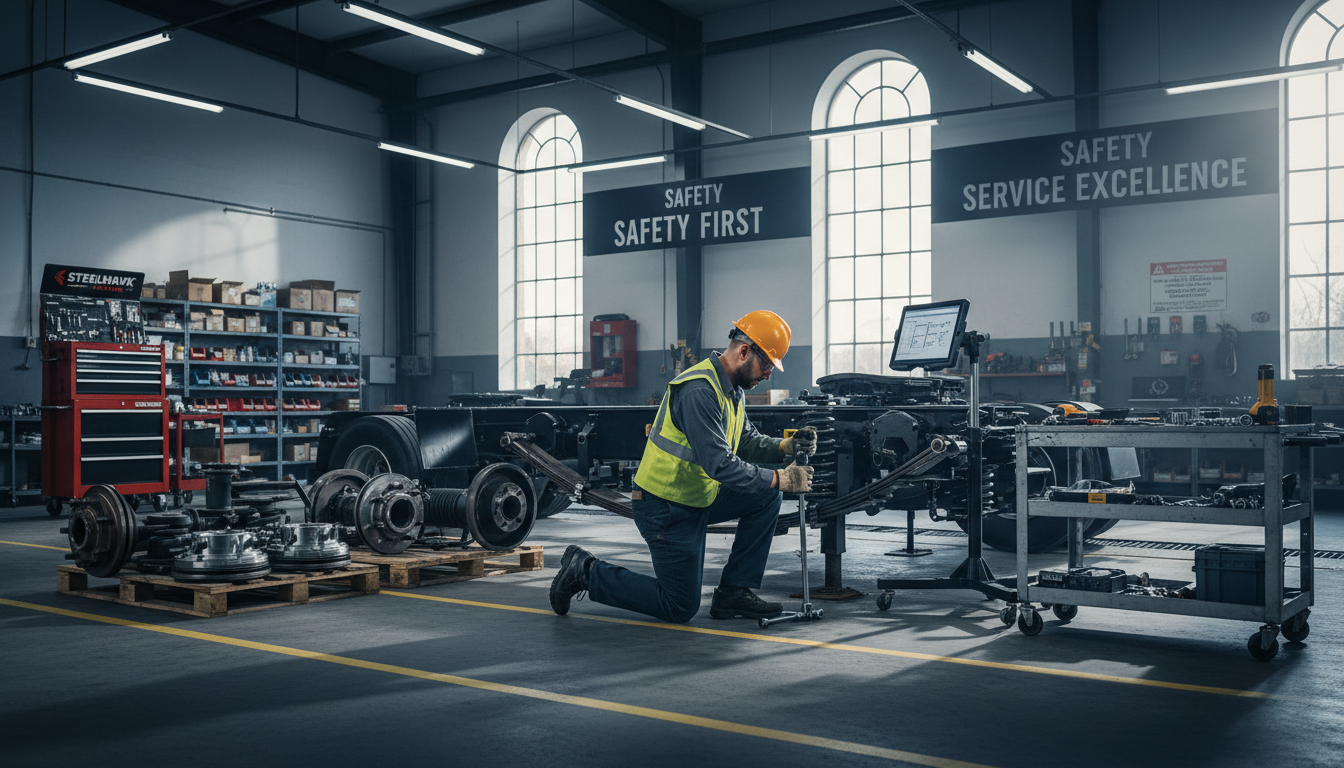
Owning a trailer means you're responsible for all maintenance and repair costs. While this gives you control over how and when the trailer is serviced, it can also lead to unexpected expenses. Regular maintenance is crucial to ensure longevity and safety.
Leasing often includes maintenance packages, meaning the leasing company handles routine service and repairs. This can be a significant advantage, reducing downtime and ensuring the trailer remains in optimal condition without additional costs.
Flexibility and Usage
Consider how often and for what purpose you'll use the trailer. If your needs are temporary or may change, leasing offers flexibility. You can upgrade or downgrade to a different model at the end of the lease term, aligning your assets with your evolving needs.
Buying is ideal for those with consistent and long-term usage. You have the freedom to customize the trailer to fit specific requirements without worrying about lease agreements.
Resale Value and Depreciation
Trailers, like vehicles, depreciate over time. If you buy, you’ll need to consider the resale value. Market conditions and the trailer's condition will impact how much you can recoup. However, if maintained well, trailers can retain a fair amount of their value.
Leasing, conversely, eliminates concerns about depreciation. Once the lease is up, you simply return the trailer and move on to your next venture without worrying about selling.

Making the Decision
Ultimately, the decision between leasing and buying a trailer depends on your specific circumstances. Evaluate your financial situation, usage needs, and future plans. Consider consulting with a financial advisor or a trailer specialist to make an informed choice.
Both leasing and buying have their pros and cons, and understanding them will help you choose the option that best aligns with your goals and operational requirements.