Debunking Common Myths About Trailer Leasing


Introduction to Trailer Leasing Myths
When it comes to trailer leasing, there are numerous misconceptions that often deter businesses from exploring this cost-effective option. Whether you're a small business owner or part of a larger logistics company, understanding the truth about trailer leasing can provide significant benefits. Let's debunk some of the most common myths surrounding trailer leasing.
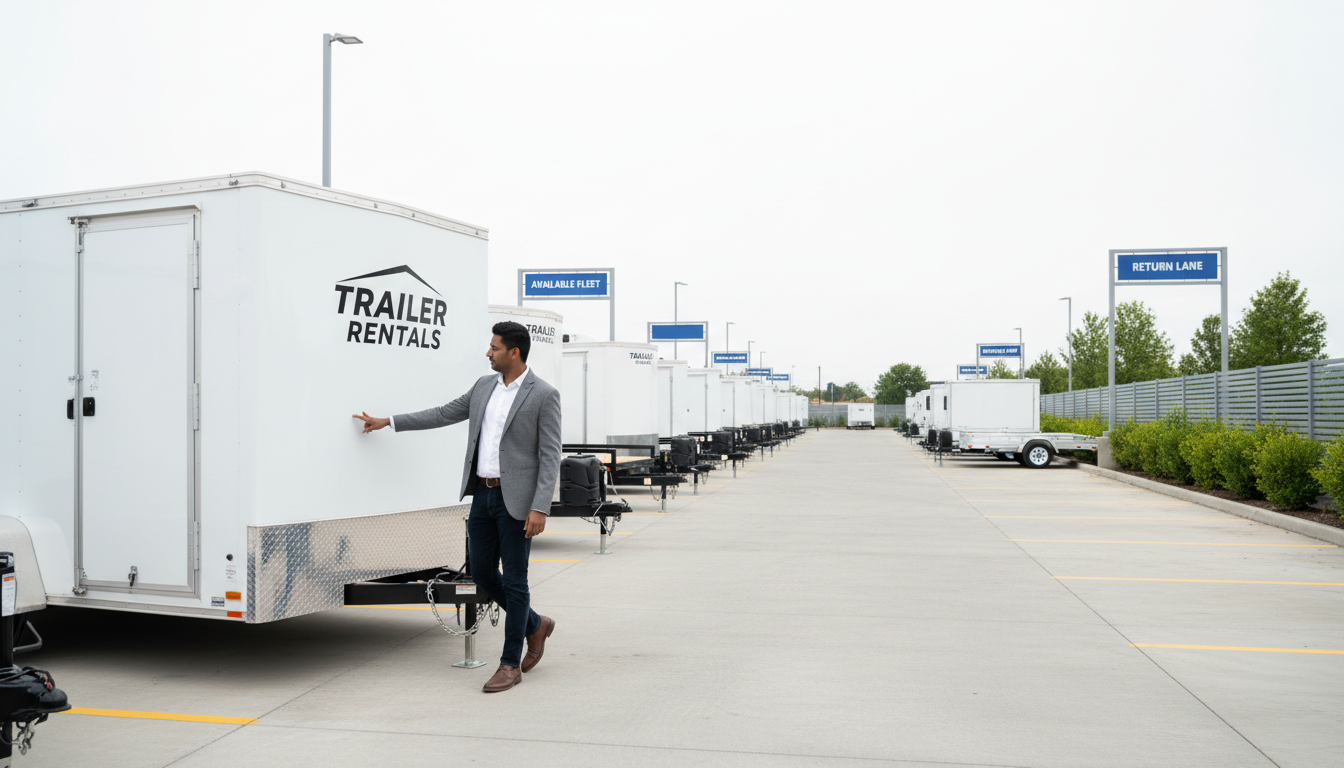
Myth 1: Leasing is More Expensive Than Buying
One of the most pervasive myths is that leasing trailers is more expensive than purchasing them outright. This assumption fails to consider the full range of expenses associated with owning a trailer, including maintenance, insurance, and depreciation. In reality, leasing offers a predictable monthly cost that often includes maintenance, allowing businesses to better manage their budgets.
Moreover, leasing can free up capital that can be invested in other areas of the business, potentially leading to greater returns. By understanding the true cost of ownership versus leasing, businesses can make more informed financial decisions.
Myth 2: Leasing Limits Flexibility
Another common misconception is that leasing limits a company's flexibility. On the contrary, leasing provides a range of options that can be tailored to meet a business's specific needs. With leasing, businesses can easily scale their fleets up or down based on demand without the long-term commitment of ownership.
This flexibility allows companies to adapt quickly to market changes, ensuring they remain competitive. Additionally, many leasing agreements offer options for upgrades, allowing businesses to access the latest trailer technology without the need for a significant upfront investment.
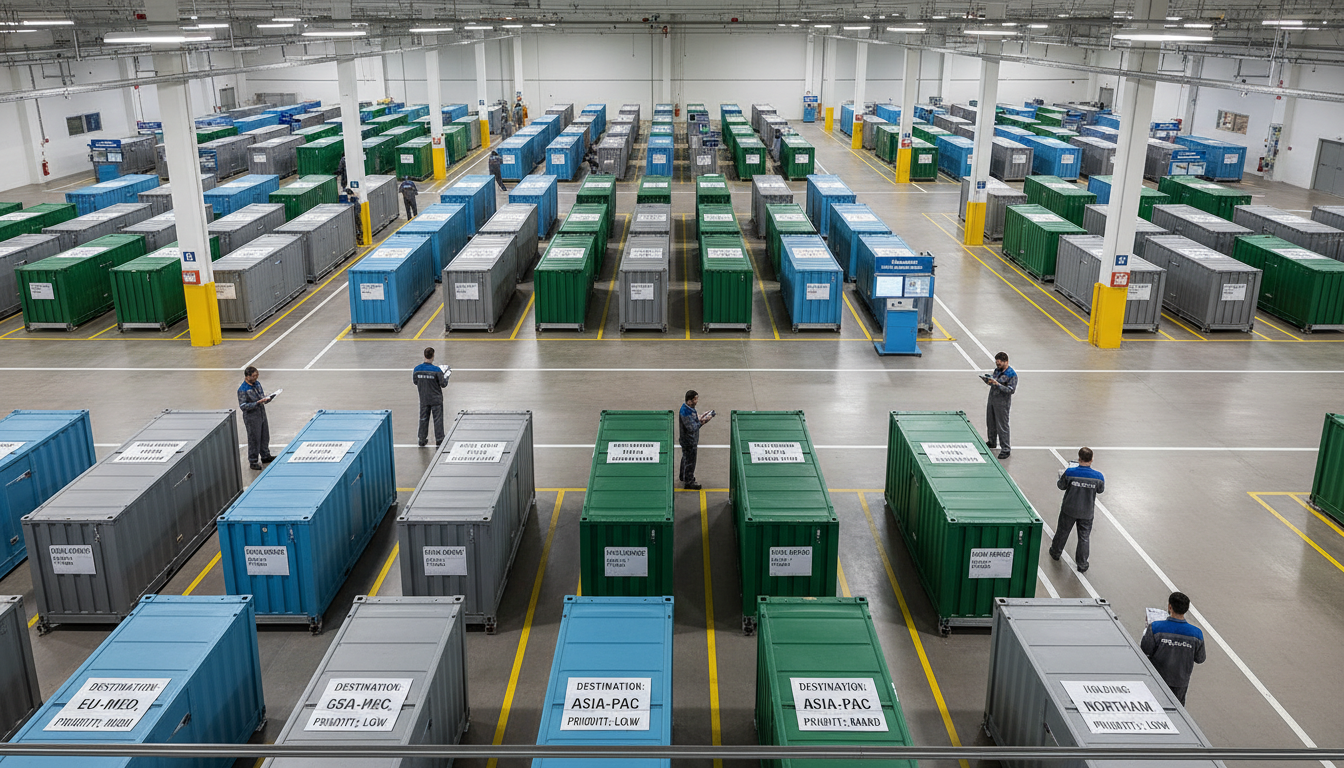
Myth 3: Leased Trailers Are Lower Quality
Some believe that leased trailers are of lower quality compared to purchased ones. However, reputable leasing companies maintain their fleets to high standards, ensuring that all trailers meet safety and performance requirements. Regular maintenance and inspections are typically included in leasing agreements, providing peace of mind to lessees.
Furthermore, leasing companies often offer a wide range of trailer types and configurations, allowing businesses to choose the best fit for their needs. This variety ensures that businesses can access high-quality trailers that meet their operational demands.
Myth 4: Leasing Involves Complicated Contracts
Many businesses fear that leasing involves complex contracts filled with hidden fees and stipulations. While it's true that all agreements require careful review, leasing contracts are generally straightforward and designed to be mutually beneficial. Most leasing companies prioritize transparency and provide clear terms to avoid any misunderstandings.
It's essential for businesses to work closely with leasing providers to understand the terms and ensure they align with their operational goals. By doing so, companies can enjoy the advantages of leasing without any unwelcome surprises.
Conclusion: Embrace Trailer Leasing
Debunking these myths reveals that trailer leasing can be a highly advantageous option for many businesses. From cost savings to increased flexibility and access to quality equipment, the benefits of leasing make it a compelling choice. By separating fact from fiction, companies can make informed decisions that support their growth and operational efficiency.