Expert Advice: Avoiding Common Mistakes in Trailer Leasing


Understanding Your Needs
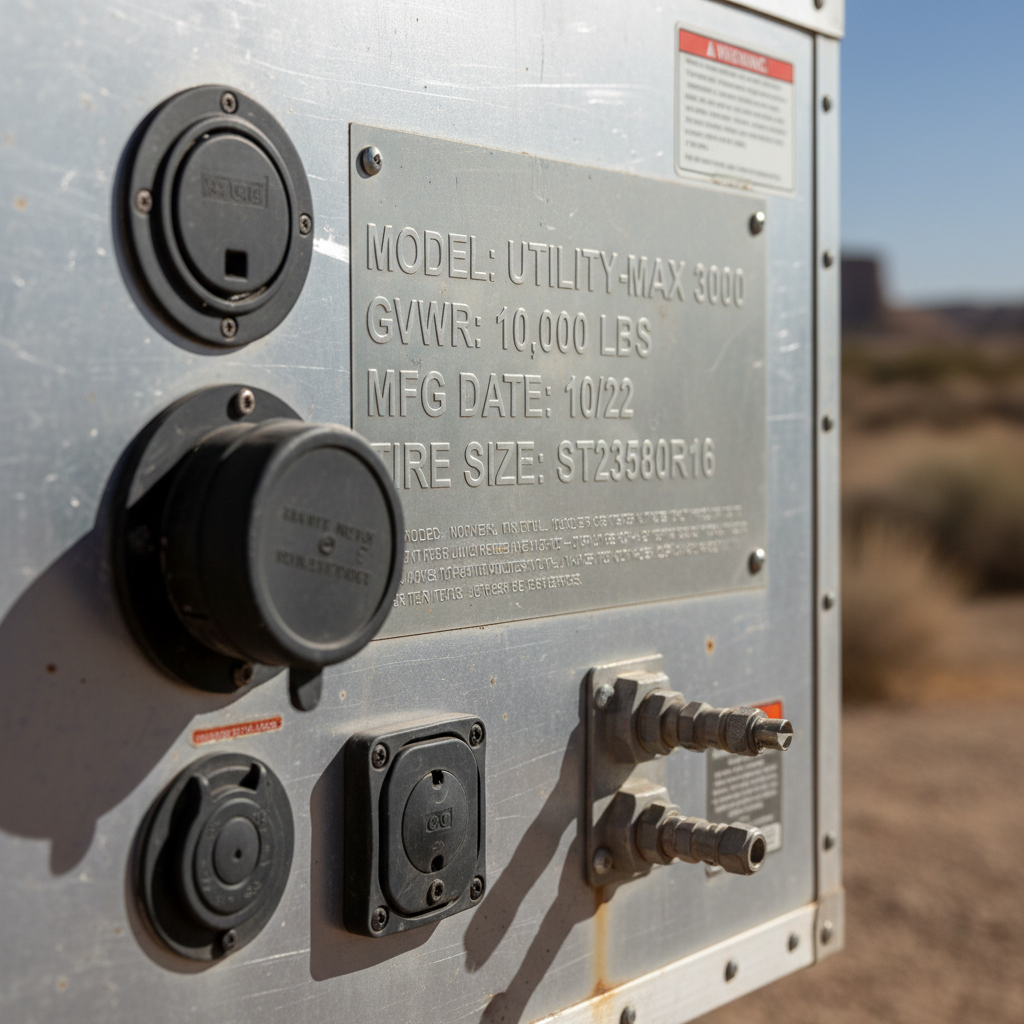
When it comes to trailer leasing, one of the most common mistakes is not fully understanding your specific needs. Before you enter into any leasing agreement, take the time to assess what you require in terms of size, type, and functionality. This ensures you choose a trailer that will suit your business operations effectively.
Consider the weight and type of cargo you will be transporting. Different trailers are designed for different purposes, and choosing the wrong one can lead to inefficiencies and added costs. Make a checklist of your essential requirements to guide your decision.
Evaluating Leasing Terms
Another frequent pitfall is not thoroughly evaluating the leasing terms. It's crucial to read the lease agreement carefully and understand all the terms and conditions. Look for any hidden fees or charges that might not be immediately obvious. This can save you from unexpected expenses down the line.
Pay special attention to the lease duration and termination clauses. Understand your obligations should you need to end the lease early or extend it. This understanding can give you flexibility and prevent penalties.

Inspecting the Trailer
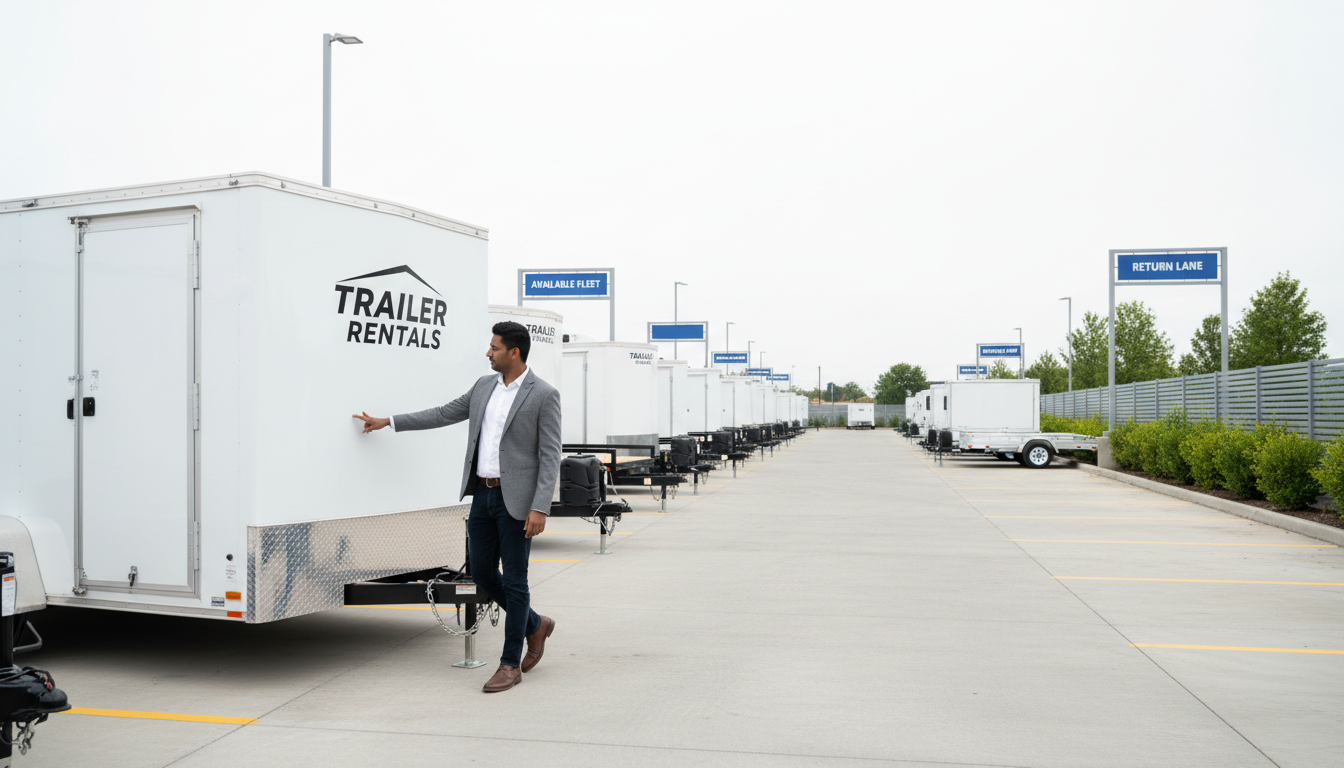
Skipping a thorough inspection of the trailer before leasing is a mistake you want to avoid. Inspect the trailer for any signs of wear and tear, damage, or mechanical issues. Ensure that everything is in working order and meets safety standards.
If possible, have a professional conduct the inspection. They can identify potential issues that you might overlook. Document the trailer's condition before taking possession to avoid disputes about damages later on.
Considering Insurance Options
Insurance is another critical aspect often overlooked in trailer leasing. Ensure that you have adequate insurance coverage to protect against potential damages or accidents. Many leasing companies offer insurance, but it's wise to shop around for the best deals and coverage options.
Understand what is covered under the insurance policy and any deductibles you may be responsible for. Comprehensive coverage can save you from significant out-of-pocket expenses in the event of an incident.
Planning for Maintenance
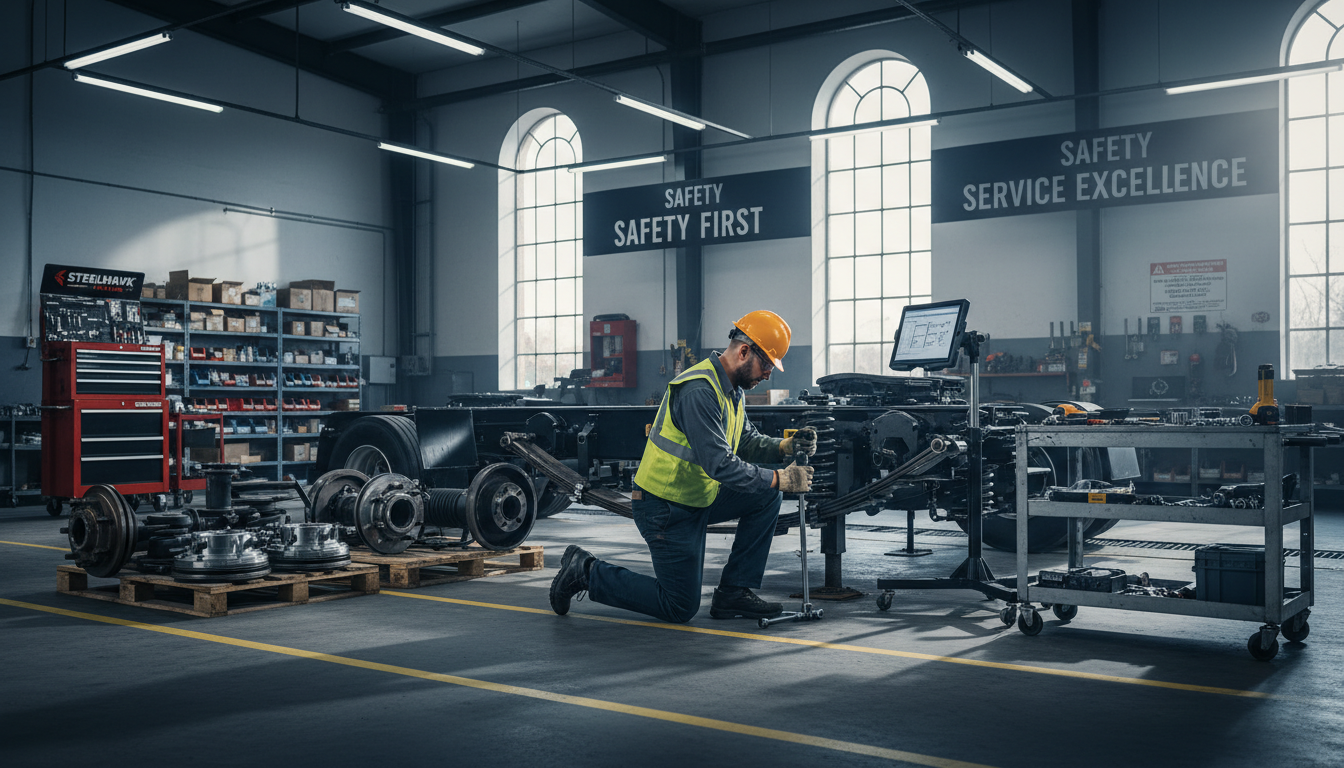
Neglecting regular maintenance can lead to costly repairs and downtime. Before leasing, discuss maintenance responsibilities with the leasing company. Determine who is responsible for routine checks and what is included in the lease agreement.
Set a maintenance schedule and adhere to it religiously. Regular maintenance not only extends the life of the trailer but also ensures safety and compliance with regulations.
Understanding Legal Requirements
Failing to comply with legal requirements can result in fines and legal issues. Be aware of the regulations governing trailer use in your area. This includes weight limits, licensing, and safety standards.
Consult with legal experts or industry professionals if you are unsure about specific requirements. Staying informed and compliant is essential for smooth operations and avoiding legal troubles.
By understanding your needs, evaluating leasing terms, inspecting the trailer, considering insurance, planning for maintenance, and knowing legal requirements, you can avoid common mistakes in trailer leasing and ensure a successful experience.