Top Alternatives to Traditional Trailer Leasing Systems


Exploring Modern Alternatives to Traditional Trailer Leasing Systems
In the fast-paced logistics and transportation industry, flexibility and efficiency are paramount. Traditional trailer leasing systems, while reliable, often lack the adaptability required by modern businesses. Fortunately, there are several innovative alternatives that offer enhanced features and improved operational capabilities.

Short-Term Rental Services
One of the most popular alternatives to traditional trailer leasing is short-term rental services. These services provide companies with the option to rent trailers for shorter periods, ranging from days to weeks. This flexibility allows businesses to adjust their fleet size according to demand fluctuations without the long-term commitment.
Short-term rentals often come with the benefit of a diverse selection of trailers, ensuring that you can find the perfect fit for your specific needs. Additionally, these services frequently offer maintenance and support, reducing the burden on your internal resources.
Subscription-Based Leasing
Subscription-based leasing is another innovative approach gaining traction. Similar to subscription models in other industries, this system allows companies to pay a monthly fee for access to trailers. This model often includes maintenance, insurance, and other services as part of the package, offering a comprehensive solution.

This approach provides the dual benefits of predictability in costs and the flexibility to upgrade or change trailers as your business evolves. It's particularly appealing to companies that need a reliable fleet without the complexities of ownership.
Shared Economy Platforms
The shared economy has made its way into the logistics sector with platforms that facilitate trailer sharing among businesses. These platforms enable companies to rent out their idle trailers to others, maximizing asset utilization and creating a source of additional income.
For companies in need of trailers, these platforms offer a cost-effective way to access additional resources. The peer-to-peer nature of these platforms also fosters a sense of community and collaboration within the industry.

Flexible Lease Options
Flexible lease options are designed to cater to the dynamic needs of modern businesses. Unlike traditional leases with fixed terms, these options allow companies to adjust the terms based on their operational requirements. Features such as early termination and lease-to-own options provide additional flexibility.
These leases are particularly useful for businesses experiencing rapid growth or those operating in industries with seasonal demand spikes. By aligning leasing terms with business needs, companies can maintain efficiency and control over costs.
Technology-Driven Solutions
Advancements in technology have also revolutionized trailer leasing. Companies are now leveraging telematics and IoT to optimize fleet management. These technologies provide real-time data on trailer location, usage, and maintenance needs, enabling more efficient operations.
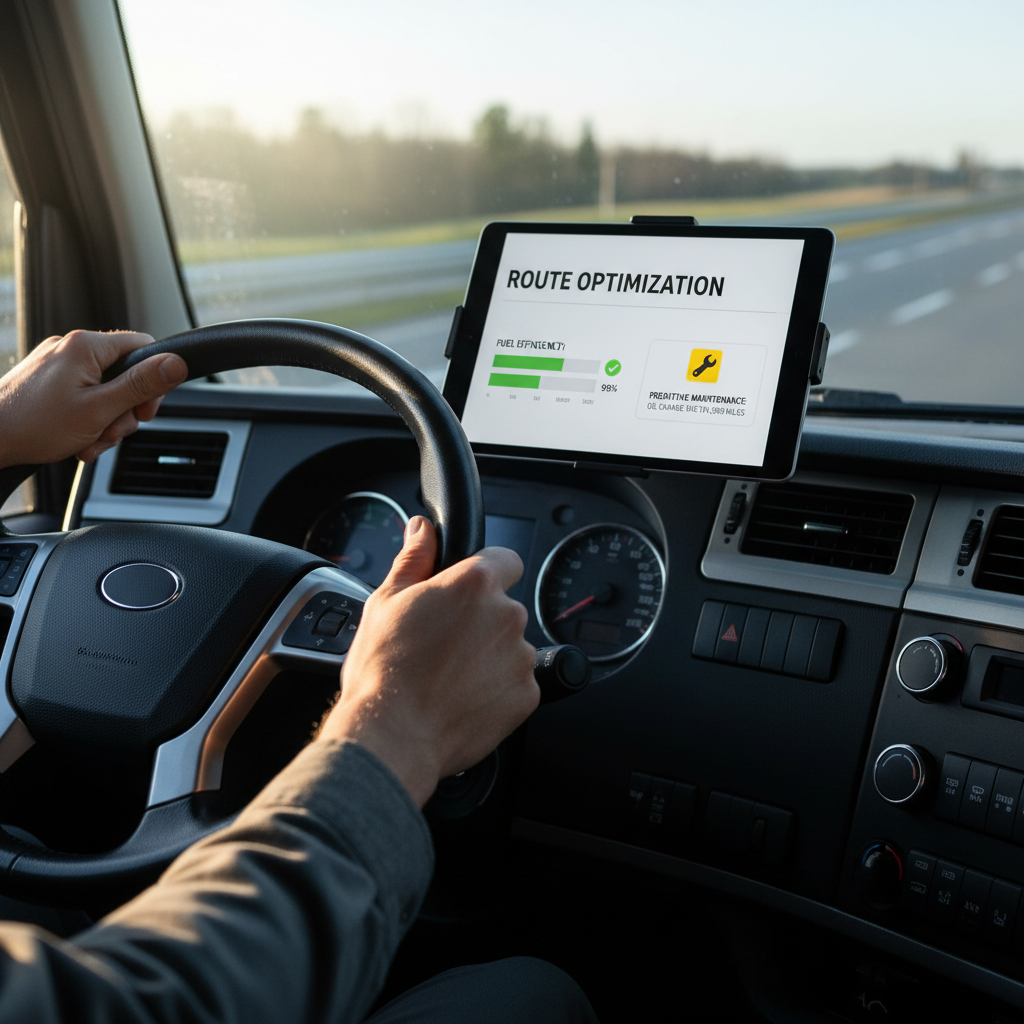
By integrating technology into trailer leasing, businesses can enhance their decision-making processes, reduce downtime, and improve overall fleet performance. This tech-driven approach ensures that leasing systems are not only modern but also future-ready.
In conclusion, the landscape of trailer leasing is evolving with numerous alternatives catering to diverse business needs. Whether it's through short-term rentals, subscription models, shared platforms, flexible leases, or technology integration, companies have ample options to enhance their logistics operations. As the industry continues to innovate, these alternatives will play a critical role in shaping the future of trailer leasing.