Trailer Leasing vs Buying: A Cost Comparison Guide


Understanding the Basics
When it comes to acquiring a trailer for business or personal use, you often face the decision of leasing versus buying. Understanding the financial implications of each option is crucial in making an informed decision. Both leasing and buying have their pros and cons, which can significantly impact your budget and long-term plans.
Initial Costs
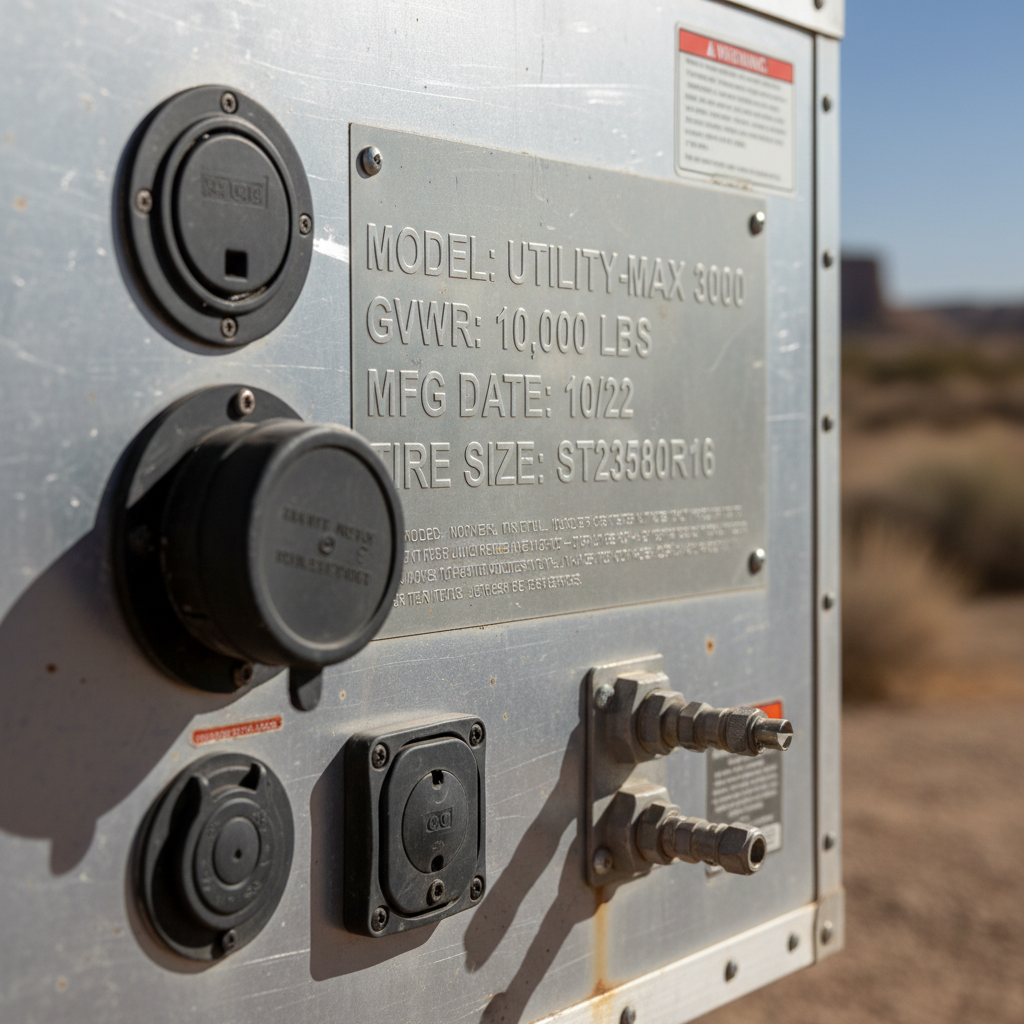
One of the most significant differences between leasing and buying a trailer is the initial cost. Buying a trailer typically requires a substantial upfront payment. This includes the purchase price, taxes, and possible customization costs. In contrast, leasing a trailer involves a lower initial payment, making it an attractive option for businesses with tight cash flow.
Long-Term Financial Implications
While leasing may seem less expensive initially, the long-term costs can add up. Lease agreements often come with monthly payments that may surpass the cost of owning a trailer over time. On the other hand, buying a trailer means that once it's paid off, you no longer have monthly payments, potentially saving money in the long run.

Maintenance and Repairs
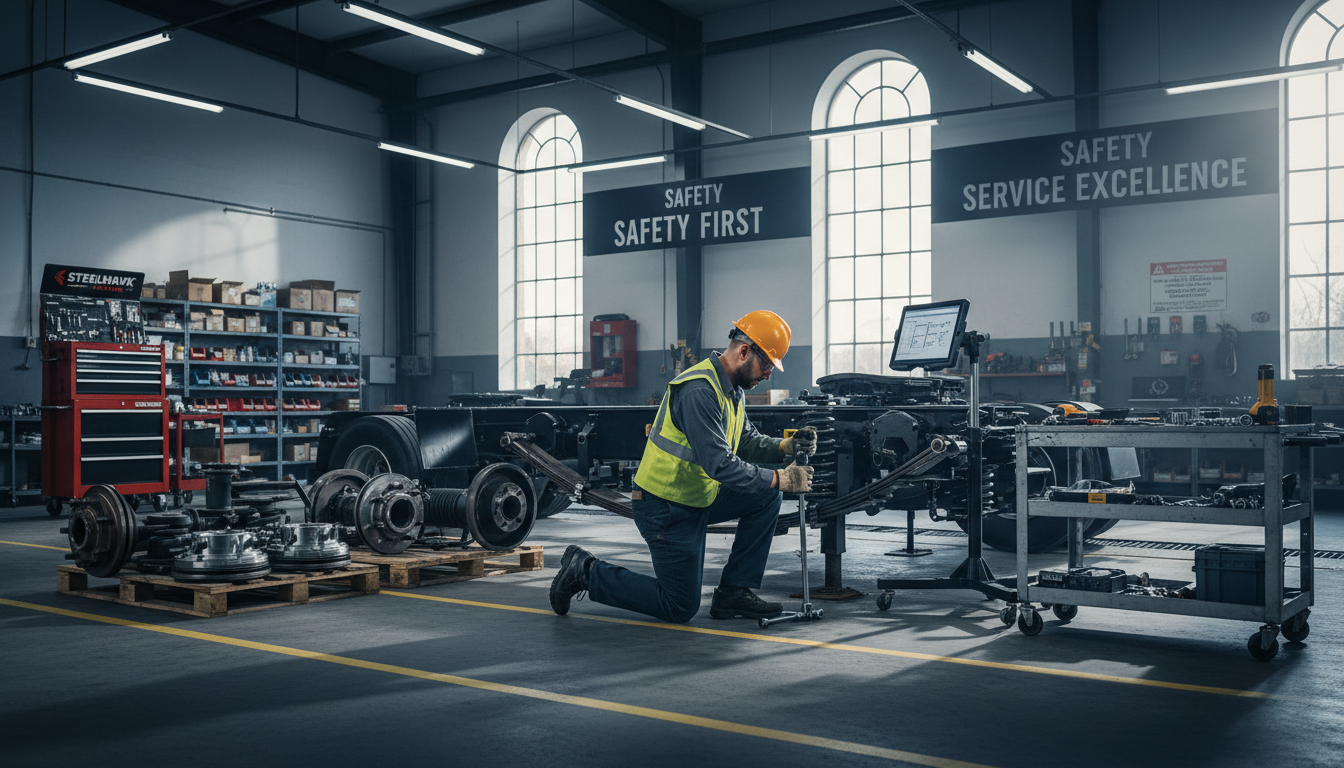
Maintenance is another critical factor to consider. When you buy a trailer, you are responsible for all maintenance and repair costs. This can be a significant expense, especially as the trailer ages. Leasing, however, often includes maintenance in the agreement, reducing the burden of unexpected repair costs.
Flexibility and Usage
Leasing offers more flexibility if your needs change. It allows you to upgrade or switch trailers at the end of the lease term without the hassle of selling. However, buying provides unrestricted usage, which means you can customize the trailer to your specific needs without worrying about lease agreement restrictions.
Depreciation and Resale Value
Depreciation is a significant consideration when buying a trailer. Trailers, like other vehicles, lose value over time. If you decide to sell, the resale value may be less than anticipated. Leasing removes this concern as you return the trailer at the end of the lease term without worrying about depreciation.
Making the Right Choice
Ultimately, the decision between leasing and buying a trailer depends on your specific needs, financial situation, and long-term goals. Consider factors such as initial cost, long-term expenses, maintenance responsibilities, and usage flexibility before making a decision. Evaluating these aspects will help you choose the option that best aligns with your objectives.